

Updated Mar 30, 2026
High-profile hacking cases: what they teach about everyday defense
High-profile indictments highlight repeatable tactics: phishing, password reuse, session persistence, and weak recovery controls.
Read article
Loading page...
Knowledge Library
Explore account recovery, cyber safety, platform security, and incident response guidance from Hacked.com.
Updated Mar 30, 2026
High-profile indictments highlight repeatable tactics: phishing, password reuse, session persistence, and weak recovery controls.
Read article

Updated Mar 30, 2026
Preparing for cybercrime is setting durable defaults: protect the control plane, upgrade authentication, patch exposed systems first, and make compromise visible.
Read article
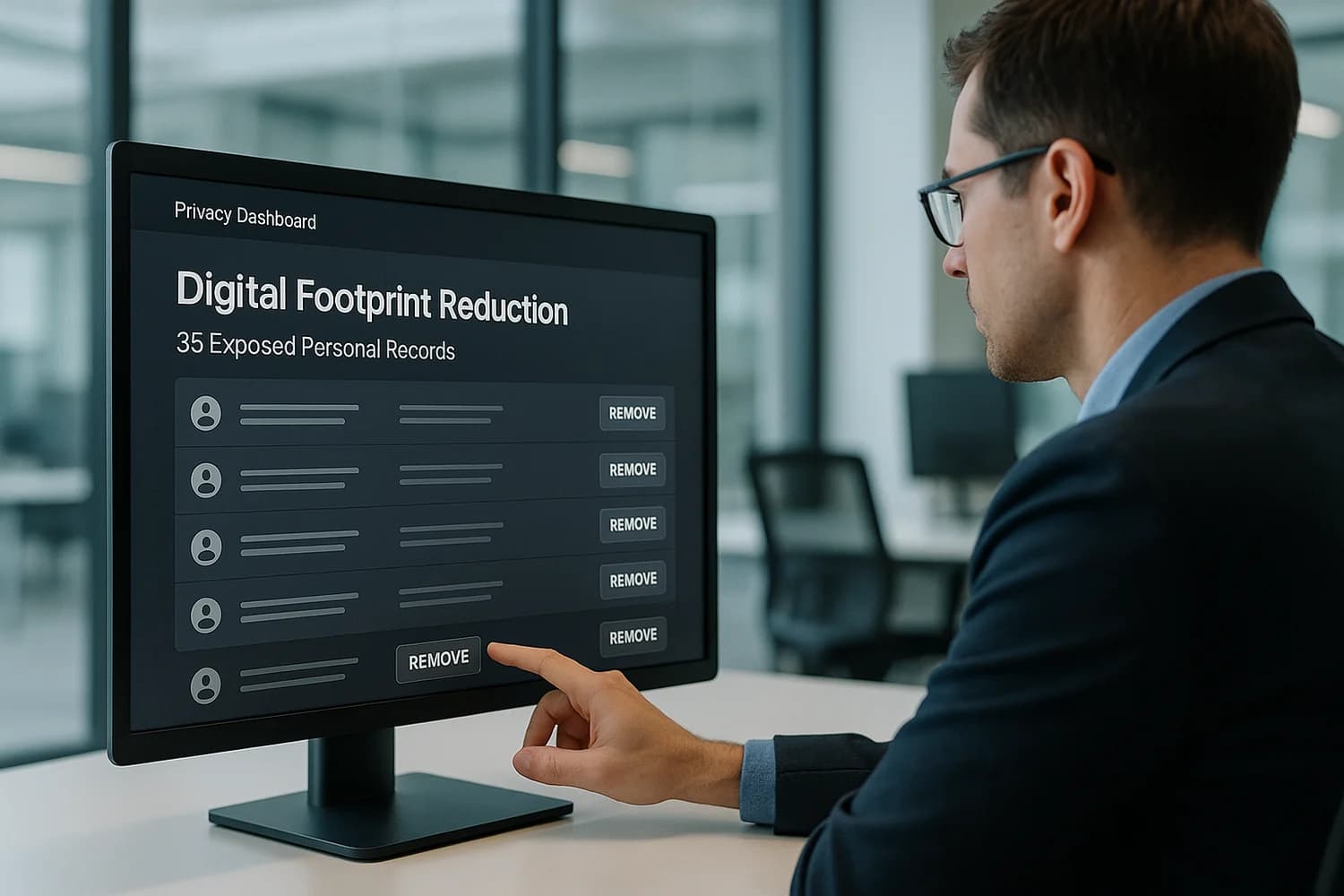
Updated Mar 30, 2026
Reduce public exposure that fuels impersonation and account takeover. Use this practical checklist to remove high-risk data, tighten visibility, and monitor drift.
Read article

Updated Mar 30, 2026
Intrusions persist when privileges are broad and monitoring is weak. Use this boundary-first checklist to make compromise visible and containable.
Read article

Updated Mar 30, 2026
BitGrail’s reported Nano shortfall became a case study in exchange failure and disputed attribution. Learn the red flags, what to do during withdrawal freezes.
Read article

Updated Mar 30, 2026
Small businesses get hacked for predictable reasons: weak email security, password reuse, exposed remote access, and weak backups.
Read article

Updated Mar 30, 2026
The 2022 threat landscape repeated the same failures: identity takeover, weak recovery, SaaS sprawl, and supply chain risk.
Read article

Updated Mar 30, 2026
Long-running intrusions thrive on weak visibility, patch lag, and credential sprawl. Learn the practical defenses that reduce dwell time: identity logging.
Read article

Updated Mar 30, 2026
Law enforcement crackdowns can shift attacker behavior, but they do not eliminate risk. Use this decision framework to harden identity, devices, and.
Read article

Updated Mar 30, 2026
Most successful compromises come from a few repeatable patterns: phishing, credential reuse, session theft, exposed remote access, and malware.
Read article