
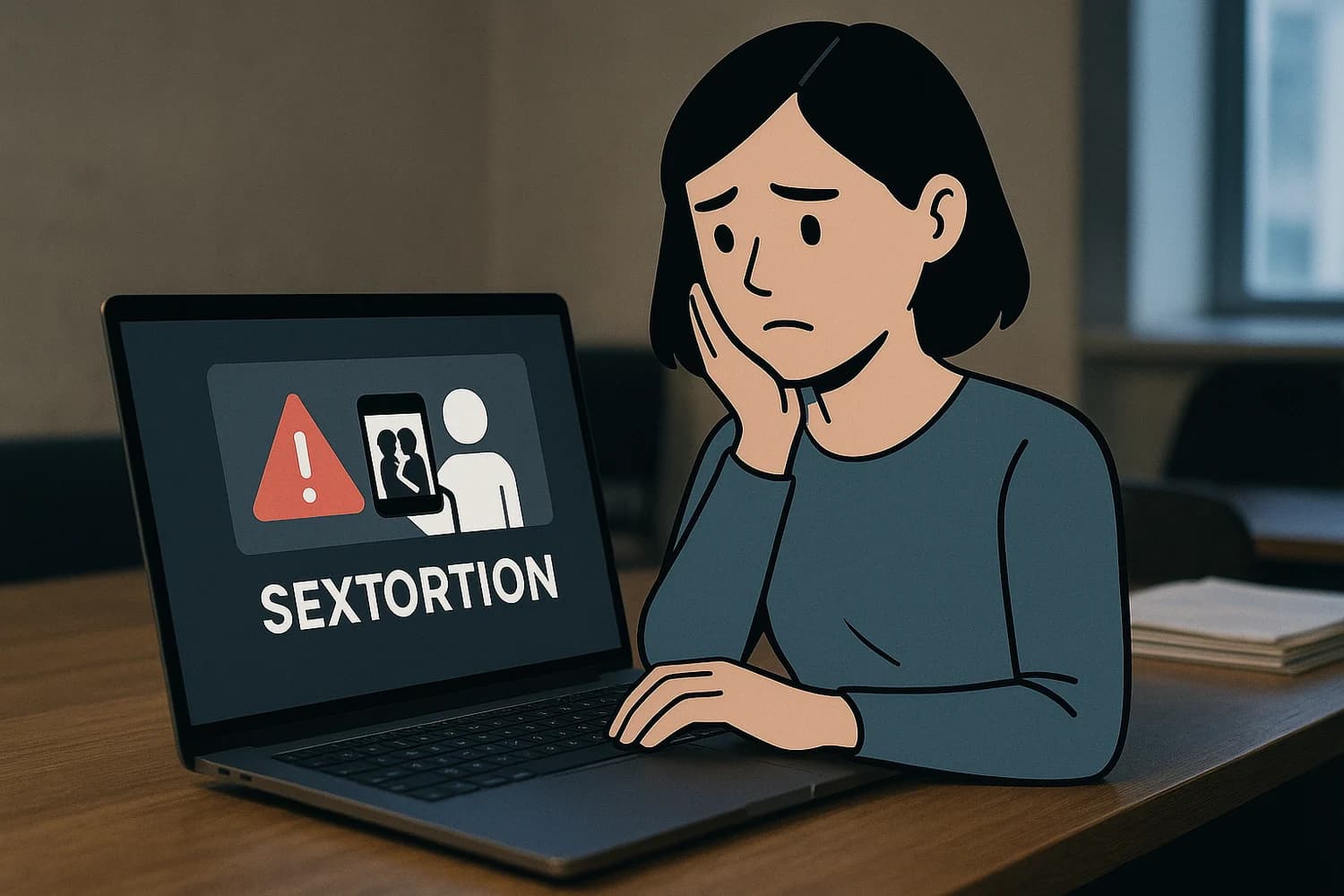
Sextortion is blackmail involving sexual images or claims. Preserve the threat, avoid sending money or more material, and use appropriate reporting channels.
Some sextortion is based on real access to private material. Some is entirely fabricated and relies on panic and time pressure.
Why it matters for account recovery
Sextortion attacks often combine threats with account compromise attempts. Attackers may try to seize your email or social accounts to increase leverage, impersonate you, or spread content faster.
Common failure modes and misconceptions
- Paying to 'make it stop': Payment increases targeting and rarely ends contact.
- Continuing the conversation: Engagement creates more hooks for manipulation and more opportunities for follow-on scams.
- Trusting 'helpers' who appear after an incident: Many follow-on messages are scams posing as removal services or investigators.
Safe best practices
- Stop engaging, preserve evidence, and report through official platform channels.
- Secure key accounts so the attacker cannot take over profiles, DMs, or email reset paths.
- If intimate content exists, focus on evidence preservation and takedown paths that reduce reuploads.
- If there are credible threats of harm or minors are involved, escalate through appropriate authorities in your jurisdiction.
What to record if it happens
Record threats and account identifiers without circulating intimate material or downloading suspected illegal content. Keep original messages and note what you actually did, rather than treating every claim from the sender as an established fact.
Related terms
Related guides
- What to do if someone is blackmailing you for watching porn
- How to fight online blackmail and digital extortion
- How to deal with abusive fans: reduce contact, preserve evidence, and prevent escalation
- If sensitive photos were leaked: containment, takedown, and account security
Sextortion is a leverage game. The defensive move is to remove the attacker's ability to escalate by securing accounts, preserving evidence, and forcing the interaction into official reporting channels.