
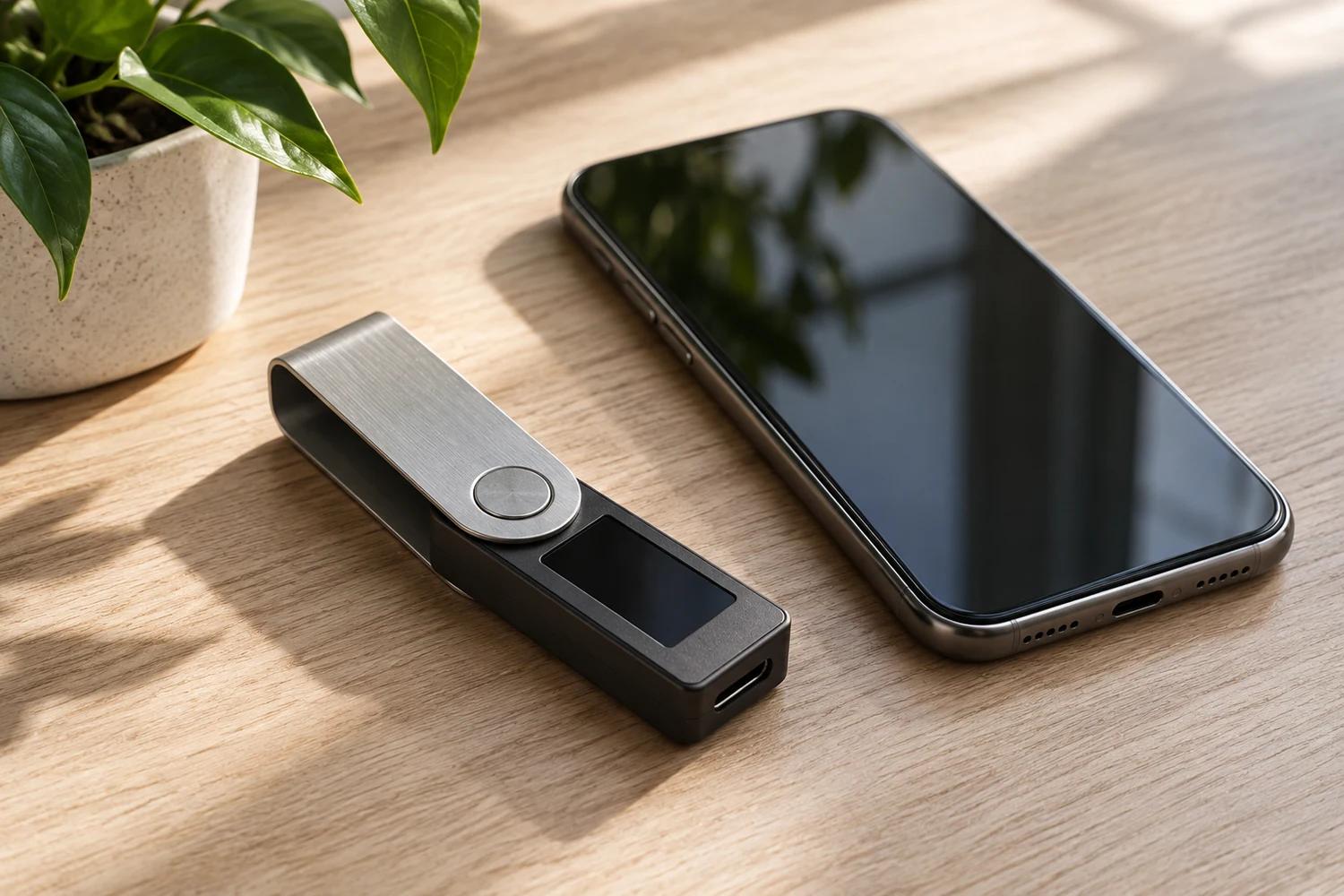
A cryptocurrency wallet is a tool for managing access to digital assets and authorizing transactions on a blockchain.
How it works
A self-custody wallet gives the user control of private keys, often backed up by a recovery phrase. An exchange account generally relies on the provider to manage keys on the customer’s behalf. Funds are recorded on a blockchain; a wallet manages access rather than holding physical coins.
Why it matters
Anyone with a self-custody recovery phrase may be able to control the wallet. A transfer to a scammer can also occur without a wallet or account being hacked. Transactions can be difficult or impossible to reverse.
What you can do
Never give anyone your recovery phrase or private key. If you sent funds to a scammer, contact the exchange or payment provider promptly, preserve the transaction details and report the incident. If a recovery phrase was exposed, use a trusted device and the wallet provider’s guidance to secure remaining funds.
For more detail, Coinbase explains exchange accounts and self-custody wallets. Read the fake cryptocurrency giveaway reported by Coinbase for a related Hacked.com report.