
What to know: Chase says marketing data may include customer names and email addresses. Visa says its payment data was not affected; Mastercard says a limited number of email addresses were exposed. Verify any notice through a trusted channel and watch for impersonation.
Chase, Visa and Mastercard Disclose Vendor Breaches. What Customers Should Know
The companies say incidents involving outside providers exposed or may have exposed customer contact information. The disclosures differ, and Chase says its incident is unrelated to its recent banking outage.
Jump to a section
The payment network can keep working while information about customers ends up in the wrong hands. That is the concern behind disclosures from JPMorgan Chase, Visa and Mastercard about incidents involving outside providers.
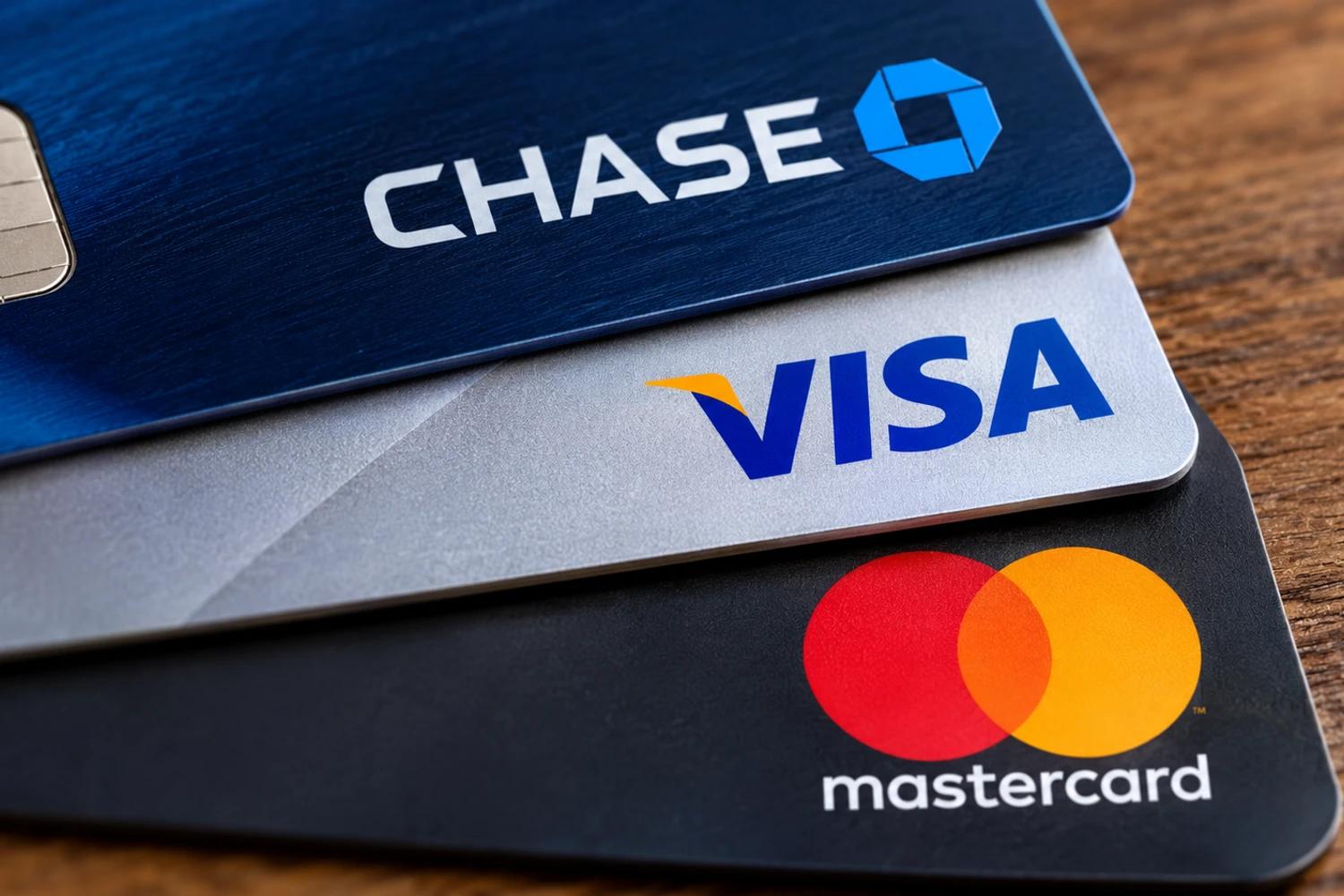
JPMorgan Chase, Visa and Mastercard disclosed incidents involving outside providers, according to Reuters reporting on November 19. The companies described different types and scopes of information. The available reporting does not establish that all three used the same affected provider or that one incident explains every disclosure.
Chase said its investigation indicated attackers accessed certain marketing data held by outside firms that may include customer names and email addresses. The bank said it would contact affected customers. It also said the incident was unrelated to its recent service outage.
Visa said the incident associated with claims about its data involved a third-party provider in the Asia-Pacific region. Its own systems were not involved, and payment data such as card numbers was not affected, the company told Reuters. Mastercard said a limited number of email addresses belonging to a subset of cardholders in a specific benefit program were exposed at a provider; its payment network and card use were not affected.
What exposed contact details can, and cannot, tell a criminal
An email address is not a bank password, and a marketing record does not automatically let someone move money. The risk is more personal: knowing which service you use may help a scammer make a fake fraud alert, account notice or rewards message sound credible.
Consider a hypothetical email that names your card provider and asks you to “confirm” a benefit after a breach. It might lead to a fake sign-in page or a caller asking for a one-time code. This is an example of a possible follow-on scam, not a message reported in these incidents.
Reuters reported that an extortion group made claims and posted data relating to the companies, but said it could not independently verify the authenticity of the data it reviewed. A criminal’s claims are not a reliable count of affected people, and exposure of information is not by itself proof that a person’s account has been accessed.
Is this connected to the Chase outage?
Chase says no. Its earlier disruption affected banking access and was described as a technical issue. The company says the provider incident was separate. Our earlier report on the banking outage explains what customers experienced and why a disruption should not automatically be described as a hack.
The distinction can be frustrating: a customer may hear about an outage and then a data incident involving the same brand. They deserve clear explanations of both. But proximity in time does not establish a common cause, and the evidence reported so far does not show that the outage exposed this data.
Why a vendor incident becomes the customer’s problem
Organizations use providers for services such as marketing, customer benefits and communications. A supply-chain attack targets a trusted provider or component to reach another organization or its information. The provider relationship can create a security dependency even when the bank’s payment network keeps working.
Our Optimizely investigation described a different type of supplier risk involving website code. It is not evidence that the same attackers or providers were involved here. The shared lesson is that an organization needs to know what it shares, why the provider needs it and how quickly it can investigate an exposure.
What customers should do
- Check notices independently. Open your bank’s app or type its known address yourself. If you receive a call, hang up and use the number on the back of your card or on an official statement.
- Do not give out security codes. A genuine-looking message can include details about you. Never share a one-time sign-in code, password or approval prompt because someone says they are investigating a breach.
- Review account activity. Check transactions and alerts through your usual app or statement. If you see an unauthorized transaction, contact the provider promptly using a trusted number and follow its dispute process.
- Match the response to what happened. Receiving an email does not mean your account was accessed. If you entered a password on a suspicious page, change it through the genuine service and contact the provider. If you approved a sign-in or shared a code, tell the provider immediately.
- Follow a verified notice. If you are told you were affected, read the specific notice in your account or verify it with the institution. Ask what information was involved and what support applies to you.
Our data breach guide explains how to respond to different exposures. The Consumer Financial Protection Bureau also advises contacting your bank through a trusted number when a message asks you to verify account information.
For businesses, the practical test starts before a breach: what customer data does each provider actually need, who can access it and when is it deleted? After an incident, customers need a notice that explains the affected information and gives them a way to verify the message independently.