
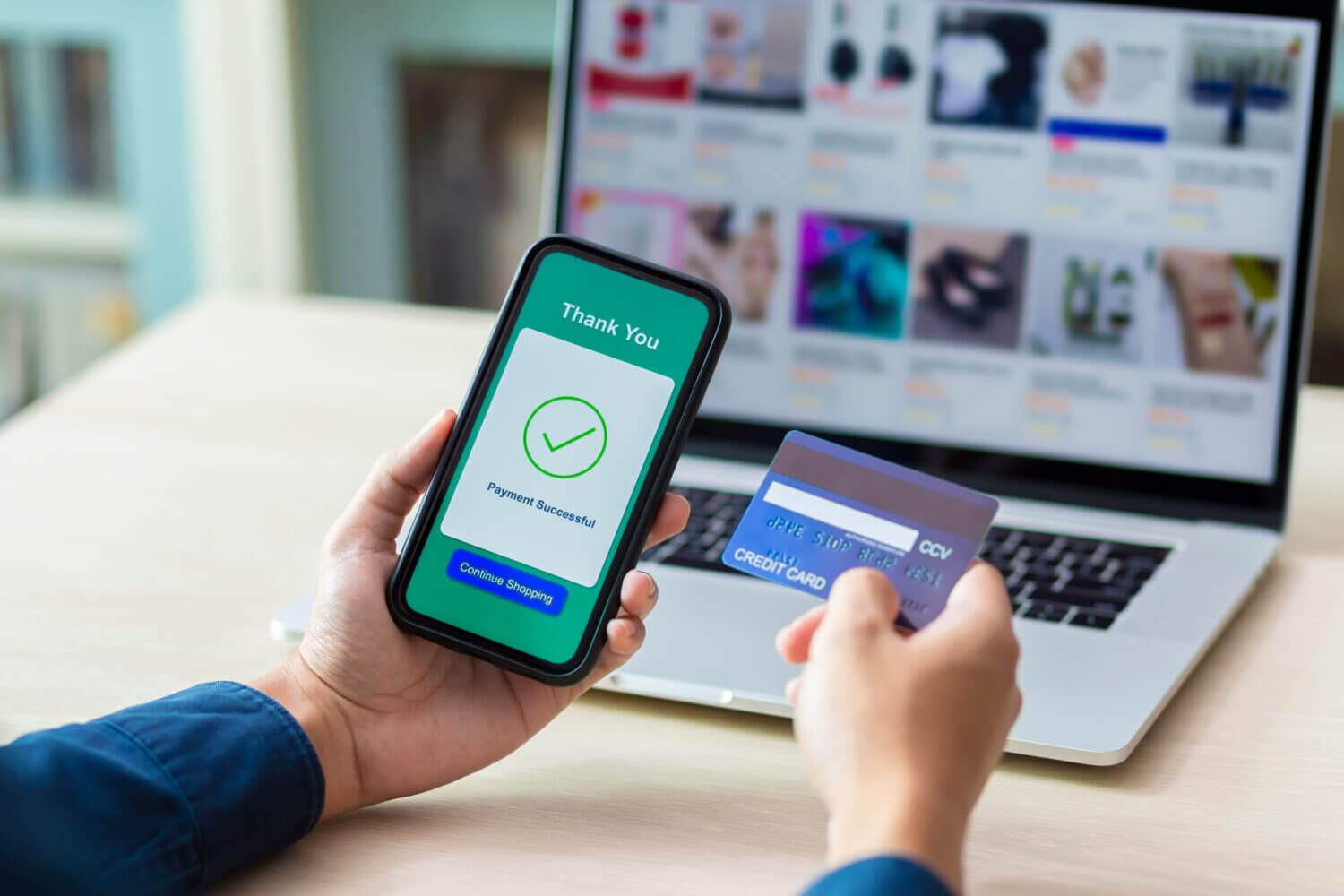
Payment safety is not about brand preference. It is about leverage: how quickly you can detect fraud, how reliably you can dispute a charge, and how much access you are giving a seller or scammer to your core finances.
That is why unknown-seller risk often overlaps with social engineering, fake support, and payment-pressure tactics.
Rule of thumb: for unknown sellers, use a payment method that is both disputable and buffered from your bank balance. Avoid methods that settle fast and are hard to reverse.
Start here: pick the safest method for your scenario
- Buying from an unfamiliar online store: credit card (or a reputable wallet that uses your card) plus strong fraud alerts.
- Buying from a marketplace or classified listing: pay inside the platform's official checkout, or use a credit card. Avoid off-platform payment requests.
- Sending money to a person you do not know: do not. Person-to-person transfers are designed for people you trust.
- Large purchases: prefer methods with documented dispute processes, receipts, and shipment tracking.
- Subscriptions: use a method where you can cancel cleanly, monitor recurring charges, and dispute unauthorized billing.
If the purchase starts with a message or email that pressures you to pay, treat it as a scam until verified. Use how to identify scam emails and verify the seller directly.
What "safest" actually means
Payment methods differ along a few practical dimensions. You can evaluate any option by checking what happens when the transaction goes wrong.
| Dimension | What to ask | Why it matters |
|---|---|---|
| Dispute leverage | Can you charge back, dispute, or reverse? | Leverage changes outcomes when a seller disappears or a scam happens. |
| Settlement speed | Does it settle instantly? | Fast settlement can mean fast loss if it is fraudulent. |
| Buffer from bank balance | Does it touch your checking account directly? | Direct bank access increases stress and recovery time. |
| Identity exposure | Are you sharing card numbers, bank routing, or personal data? | Exposure increases future fraud risk. |
| Fraud detection | Do you get real-time alerts and easy card locking? | Speed of detection often matters more than the exact method. |
Payment-method tradeoffs (practical, not ideological)
No method is perfect. The right choice depends on seller trust and how painful a dispute would be.
| Method | When it is a good default | Main risk |
|---|---|---|
| Credit card | Online purchases from unfamiliar sellers, travel, larger purchases | Card numbers can still be stolen on fake sites, so site verification matters. |
| Debit card | Everyday purchases when you trust the merchant | Direct link to your bank balance. Fraud recovery can be more stressful and timing-sensitive. |
| Card-based wallet (Apple Pay, Google Pay) | In-person and online payments where supported | Still depends on the underlying card and account security. Device compromise can matter. |
| Payment service checkout | When it keeps your card details off the merchant site | Policies vary and some transfer types offer limited recourse. Treat person-to-person style transfers as "trusted people only". |
| ACH / bank transfer | Paying known businesses (rent, utilities), not strangers | Harder to unwind when used in scams. Scammers prefer it because it reduces your leverage. |
| Wire transfer | Rarely, for high-trust and documented transactions | High scam risk and often difficult to reverse once sent. |
| Gift cards | Gifts, not payments to strangers | Scam favorite because it is fast and hard to recover. |
| Crypto | Only when you fully understand the tradeoffs | Irreversible and high theft risk. Most "pay with crypto" requests from strangers are scams. |
Common mistake: choosing a safe payment method but shopping unsafely. Many losses start with fake stores, fake invoices, and fake "payment verification" emails.
Shopping security is part of payment security
Scammers often win before payment happens. They get you onto a fake site or into an off-platform conversation that bypasses real dispute protections.
- Verify the store before you pay: how to detect fake websites and online stores.
- For classified listings, learn the patterns: spot a Craigslist scam.
- If a seller pushes off-platform payment, treat it as a warning signal. Platforms usually cannot protect you if you pay outside their checkout.
How to reduce payment risk without changing your life
1) Turn on transaction alerts and lock controls
Real-time alerts and the ability to lock a card are among the highest value controls. They shorten the time between fraud and detection.
2) Use "buffer" tactics for higher-risk purchases
- Use a credit card instead of a debit card for unfamiliar merchants.
- Prefer wallets that keep the card number off the merchant site.
- Use virtual card numbers when your card issuer supports them.
3) Keep receipts and shipping records
Disputes go better when you have a clean evidence trail: order confirmation, shipment tracking, support chats, and screenshots of listing details.
4) Stop recurring-charge surprise
- Review subscriptions regularly and cancel what you do not need.
- Be skeptical of "trial" offers that require a card upfront.
- If you are repeatedly seeing small test charges, consider it a sign that your payment details are exposed.
What to do when a payment goes wrong
How you respond depends on the method. The universal rule is speed: act quickly, preserve evidence, and stop further loss.
- Card purchase dispute: start with your card issuer's dispute process. CFPB has a plain-language overview of disputing a credit card purchase: dispute a credit card purchase.
- Debit-card unauthorized transaction: timing can matter. CFPB provides guidance on unauthorized debit transactions: unauthorized debit transaction.
- Scam payment or fraud report: report scams and fraud through the U.S. government's reporting portal: ReportFraud.ftc.gov.
If you are dealing with identity-related fraud across multiple accounts, use IdentityTheft.gov to organize your next steps and documentation.
Decision rules that hold up under pressure
Safe payments are mostly about limiting irreversible loss. Choose methods with clear dispute processes, keep alerts on, and avoid payment flows that depend on trusting a stranger.
When something feels urgent or unusually cheap, treat that feeling as a signal. Scams work by pushing you to skip verification and accept irreversible methods.
The safest outcome is boring: verified seller, verified site, and a payment method that gives you leverage if the product never arrives or the charge is fraudulent.