
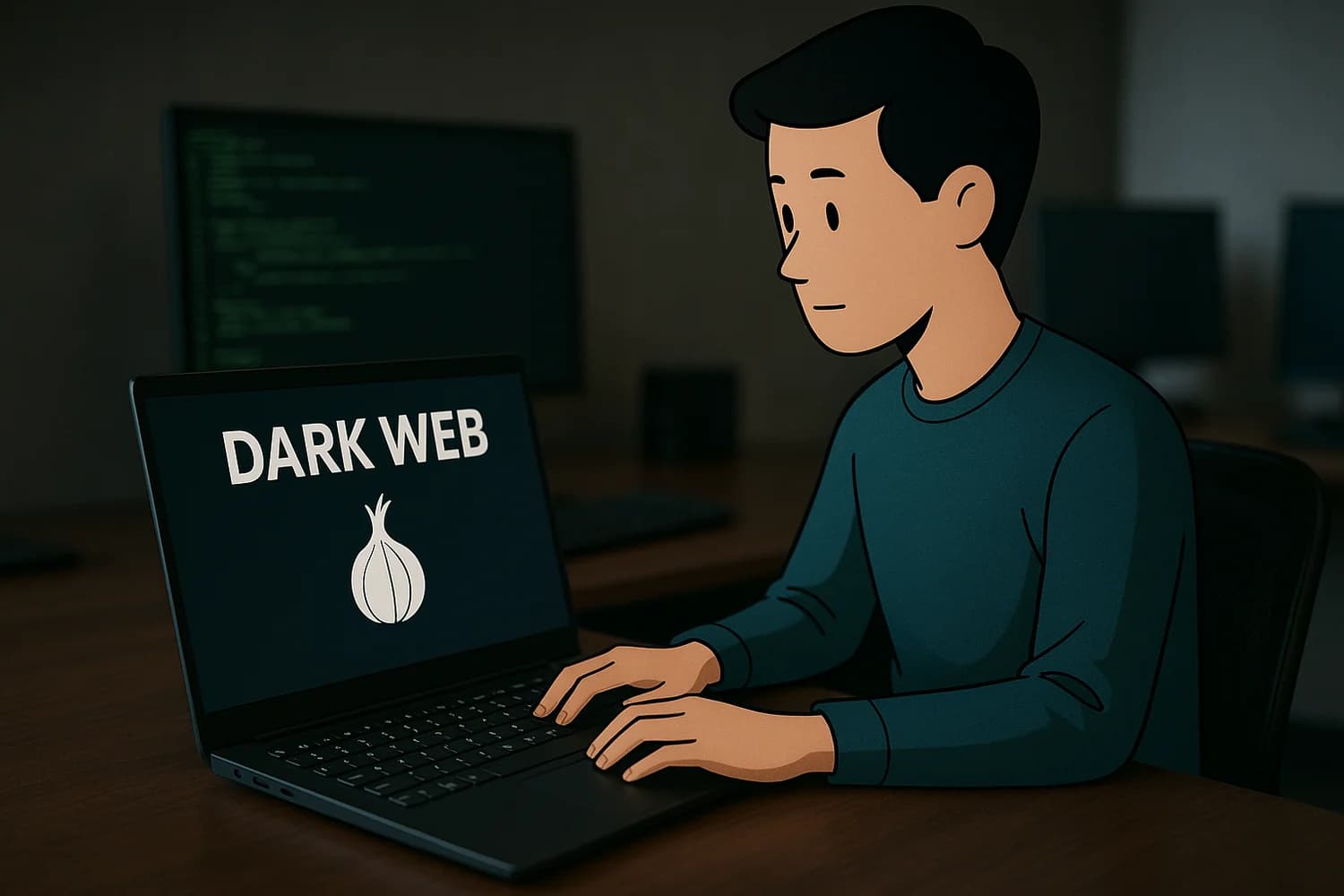
The dark web refers to online services and content that are intentionally hidden from standard browsing and accessed through anonymity networks such as Tor.
It is not inherently criminal, but it is often used to trade stolen credentials, leaked databases, and tools that support fraud and account takeover.
Why it matters for account recovery
After a breach, stolen data may be sold or shared in ways you cannot meaningfully remove. The productive response is containment and control: rotate credentials, end sessions, harden recovery, and watch for follow-on scams.
Common failure modes and misconceptions
- Trying to 'delete' leaked data from the dark web: Once data is copied and redistributed, removal is rarely a stable outcome.
- Downloading breach dumps to 'check': These files are often a malware delivery path.
- Believing one credential change solves it: Attackers reuse leaked passwords across services and keep trying over time.
Safe best practices
- Change passwords and enable strong authentication on the accounts that can reset others.
- End active sessions and review recovery methods and connected access for persistence.
- Watch for phishing and support scams that use leaked details to sound legitimate.
- Focus on reducing future impact: unique passwords, better MFA, and tighter recovery.
Related terms
Related guides
- What the dark web is
- How much do hacked accounts cost on the dark web? What actually matters
- What to do after a data breach: a step-by-step recovery plan
- If your data was exposed in a major Facebook leak: what to do next
Dark web exposure is usually a lagging indicator, not a trigger for panic. The control that changes outcomes is the same: contain access paths, rotate what was exposed, and reduce the attacker's ability to reuse it.